Balancing Natural Elements With Structural Designs
Creating an outdoor space that is both functional and beautiful requires thoughtful planning. Hardscaping involves the use of non-living elements like stone paths, patios, and walls to complement the natural environment. These features not only enhance the aesthetics but also serve practical purposes, such as preventing soil erosion and improving drainage. Understanding how hardscaping fits into your landscape can help you create a balanced and inviting outdoor area.
Enhancing Outdoor Spaces With Stones and Paths
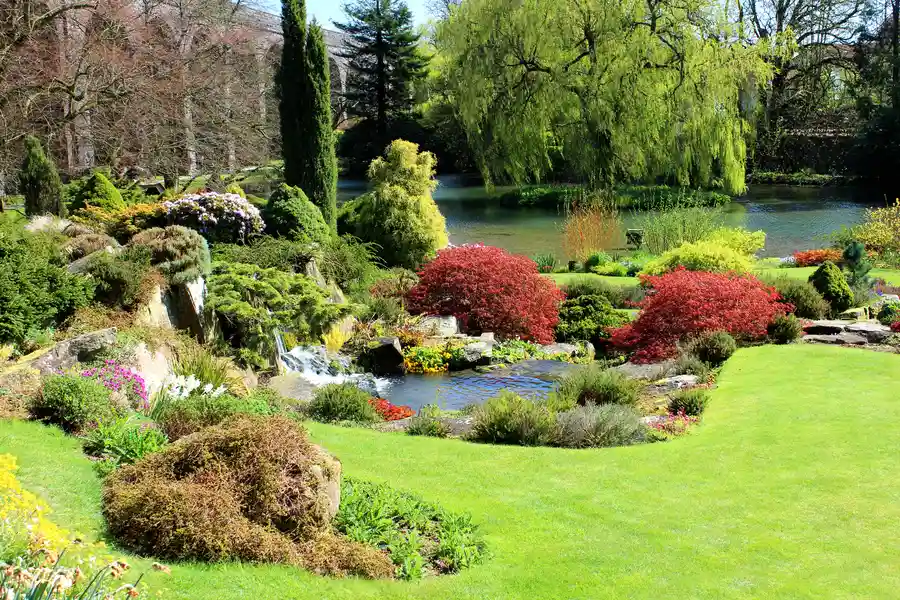
Integrating stones and pathways into your yard can have a dramatic effect on its appearance. These elements provide structure and guide visitors through the garden. When done correctly, they bring continuity between different areas. Garden design often incorporates pathways made from materials like gravel or pavers to create distinct zones for planting beds, seating, and play areas.
The Benefits of Including Patios in Your Yard
A patio can serve as an extension of your indoor living area, providing a space to relax and entertain guests. It offers a solid surface for outdoor furniture and activities, keeping mud and grass at bay. Many homeowners are opting for patios because they require minimal maintenance compared to lawns. A well-thought-out Garden Design may include a patio with features such as built-in seating or a fire pit to increase usability.
Using Retaining Walls for Functional Elegance
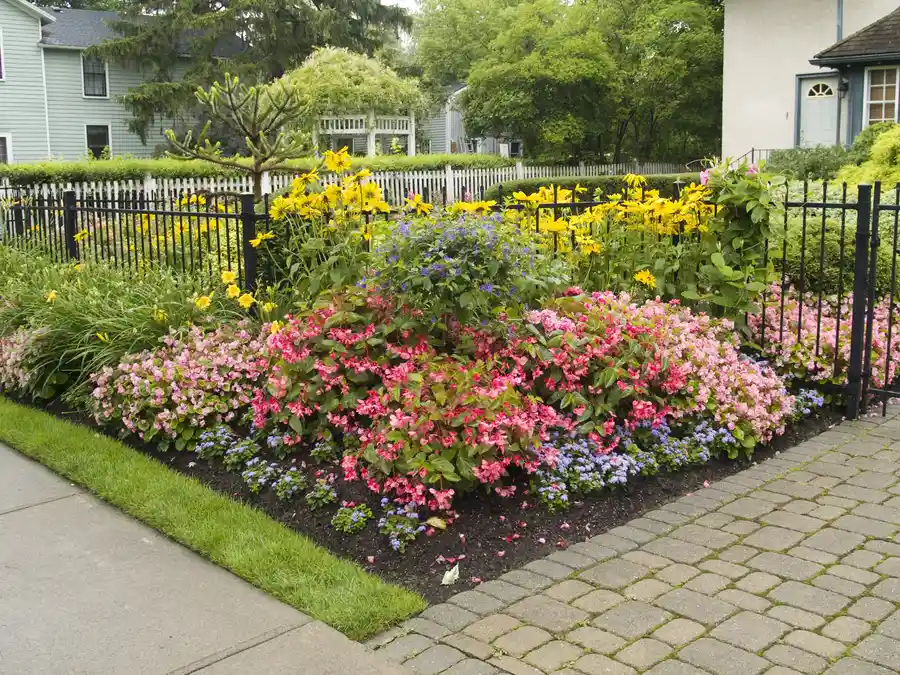
Retaining walls are essential when dealing with sloped terrains. They hold back soil, creating flat surfaces perfect for gardens or patios. Beyond their functional role, retaining walls add an element of elegance to your landscape. Materials like stone or brick can give these structures an organic look that blends with natural surroundings.
Incorporating Water Features Into Hardscaping
Water features add tranquility and interest to any yard. Whether it’s a pond, fountain, or waterfall, these elements soothe senses with the sound of moving water. They attract wildlife and integrate seamlessly into hardscaping designs. Incorporating water features should be done thoughtfully to ensure proper circulation and maintenance.
Challenges in Hardscaping Projects
While hardscaping adds value and beauty to properties, it comes with challenges. Improper installation can lead to issues like poor drainage or structural instability. It’s crucial to plan meticulously and consider factors such as material choice and layout. Engaging professionals can mitigate these risks by ensuring compliance with local regulations and best practices.
Best Practices for Successful Hardscaping
- Plan thoroughly before starting any project
- Select durable materials suitable for your climate
- Ensure proper drainage to prevent water damage
- Work with experienced contractors for complex installations
- Regularly maintain features to prolong their lifespan
Investing Wisely in Your Outdoor Space
Cost is a significant consideration when planning hardscape projects. Different materials come at various price points, affecting overall budget. While initial costs may be higher than traditional landscaping, hardscaping offers long-term savings through reduced maintenance needs. Investing in quality materials and professional installation ensures your outdoor space remains attractive and functional for years.
Your Path to a Balanced Landscape With Expert Help
To achieve a well-balanced landscape with hardscaping, partner with experts who understand your vision. At Texas Landscaper, we specialize in creating stunning outdoor spaces that blend natural beauty with structured elements. Contact us at (737) 283-9891 to discuss your project needs today. Our team serves clients throughout Round Rock, TX with dedication and expertise.